

Big Kids' Footwear
55 items
55 items


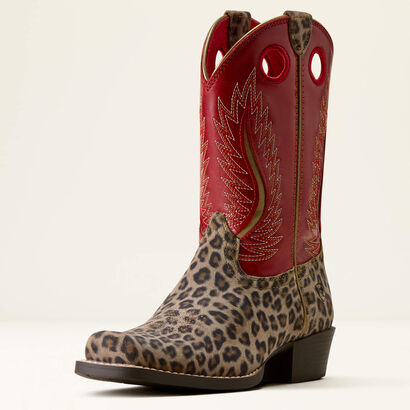
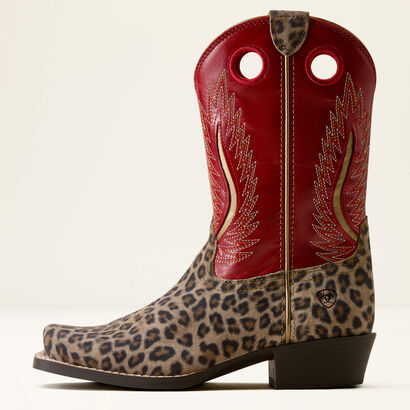


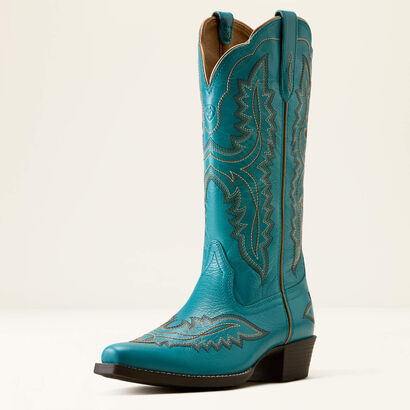
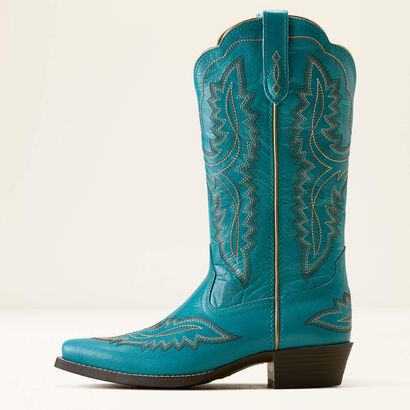
More About Big Kids' Footwear
Big Kids' Footwear
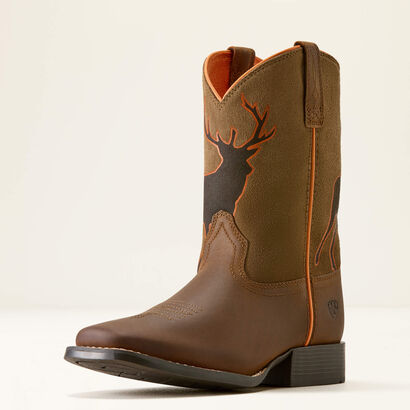
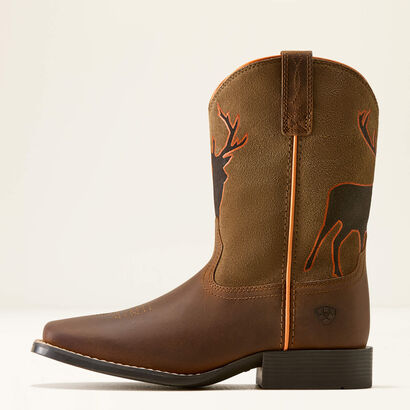
Big kids’ footwear is footwear sized for growing kids to wear for activities such as Western riding, equestrian pursuits, and everyday use. The right pair depends on where they’ll wear it and how it fits; Cowboy Boot Styles introduces the Western styles in this selection.
How Do You Choose Big Kids' Footwear?
Choose by activity first, then compare fit, toe shape, closure, and outsole. For a first Western pair, the Booker Chelsea Wide Square Toe Western Boot offers a Chelsea-style option, while the Westwood Wide Square Toe Western Boot gives shoppers another Western style to compare.
Look for a boot that suits the child’s intended use and feels comfortable when they walk, not just one with a preferred color or toe shape. The Work VentTEK Boot is another option to review by use and features, but its name alone does not establish an occupational safety rating; check the exact product specifications if a particular rating is required.
How Should Big Kids' Footwear Fit?
Big kids’ footwear should leave room for toes to move while holding the foot securely without pinching. Have the child try both shoes with the socks they’ll wear, then walk in them; for Western boots, consult How to Fit Cowboy Boots for boot-specific checks.
This page lists sizes from 8 C through 13.5 C and 1 Y through 6 Y, among other displayed size labels. Because sizing and width availability can vary by style, use the chart and available width choices on the specific product page rather than buying an overly large pair for growing room.
Which Features Matter in Big Kids' Footwear?
Match features to the activity and conditions: compare closure types for ease of putting boots on, toe shapes for fit preference, and outsoles for the surfaces the child will use. On styles that include them, 4LR™ technology is designed to provide comfort and stability, while VentTEK™ cooling mesh is designed to help airflow. Check each product page to confirm which features its boot actually has.
How Do You Care for Big Kids' Footwear?
Brush off loose dirt after wear, let damp footwear dry naturally, and follow the care instructions for its material. For leather Western boots, Cowboy Boot Care explains cleaning and conditioning; avoid applying leather treatments to mesh or other materials unless the product’s care directions recommend them.
Ariat was founded to bring athletic-footwear innovation to equestrian boots. That blend of riding heritage and practical design informs its big kids’ footwear, with options to compare for Western and other activities shown on this page.
Frequently Asked Questions About Big Kids' Footwear
What counts as big kids’ footwear on this page?
It’s footwear offered for growing kids in the page’s displayed sizes and activities, including Western and equestrian options. Start with the child’s current measurements and the specific style’s size chart, since the available size labels and fit can differ.
What matters most in a kid’s first Western boot?
Start with intended use and a secure, comfortable fit, then compare toe shape, closure, and outsole. Have the child walk in both boots with their usual socks; appearance alone cannot tell you whether the pair fits well.
Can a kids’ boot named “Work” be used where safety-rated boots are required?
A product name does not verify a safety rating. If an activity or location requires specific protective footwear, check the exact boot’s listed certifications and requirements before choosing it; do not assume a kids’ style meets an occupational standard.
Should I size up to make kids’ footwear last longer?
Choose a pair that fits securely now rather than one that slips or shifts excessively. Leave room for toes to move, check both feet while the child walks, and review the individual style’s chart and available widths as they grow.
How should I clean kids’ Western boots?
Remove loose dirt, allow damp boots to dry naturally, and use care products appropriate for the boot’s material. Follow the specific style’s care instructions before cleaning or conditioning; mesh and leather may require different approaches.