

Women's Performance Riding Boots
97 items
97 items
In 102+ Carts


In 53+ Carts


In 83+ Carts


In 54+ Carts


In 61+ Carts


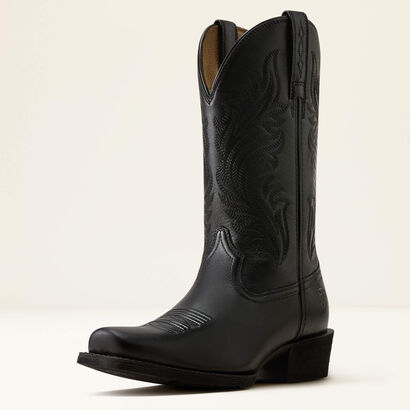
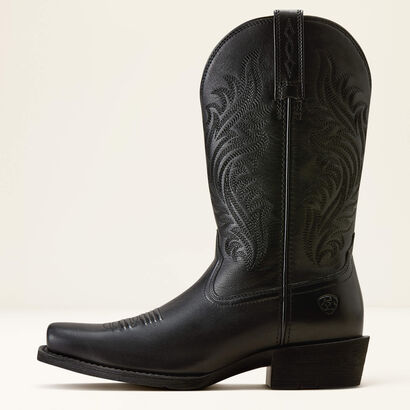


In 144+ Carts


In 49+ Carts


In 93+ Carts


In 51+ Carts


More About Women's Performance Riding Boots
Women's Performance Riding Boots
Women’s performance riding boots are Western boots designed for time in the saddle, with riding-oriented heels and features that vary by style. The collection includes choices for riders who also spend time walking around the barn; compare each boot’s listed features and intended use before choosing a pair.
How Do You Choose the Right Riding Boots?
Start with where you will wear them most: in the saddle, walking around the barn, or both. For a lower-profile Western option to compare with traditional riding-boot shapes, consider the Heritage Roper Western Boot; check its individual features against your riding and walking needs.
Toe shape, shaft height, heel height, and outsole material also affect your choice. The Round Up Remuda Wide Square Toe Western Boot offers a wide square-toe option, while the Frontier Tilly Wide Square Toe Western Boot gives shoppers another Western style to compare. For a more understated rider look, focus on a clean shaft and details you can maintain easily rather than choosing on appearance alone.
How Should Women's Riding Boots Fit?
A Western riding boot should feel secure across the instep and around the foot without pinching your toes; a little heel movement in a new pull-on boot can be normal, but your foot should not slide excessively. Try boots with the socks you plan to ride in, walk in them, and check that the shaft does not rub uncomfortably.
Styles in this collection come in women’s sizes 5–12 and B-Medium and C-Wide widths, with shaft heights ranging from 6" to 13". Measure your foot and consult the size chart for the specific style; then check its width, shaft, and heel-height details rather than assuming every boot in the collection fits alike.
Which Features Matter for Barn Days?
Look for a footbed that feels supportive, an outsole suited to both your riding and walking plans, and a heel and shaft that work with your riding setup. Available features vary by style, so use the product details, not the collection name alone, to confirm what a boot includes.
ATS® technology is designed to provide footbed support and stability. 4LR™ technology provides comfort and stability, while Shock Shield™ technology helps diffuse heel-strike impact. VentTEK™ cooling mesh helps air circulate; check the individual product page to see whether a particular boot has any of these features.
How Do You Care for Riding Boots?
Brush off dry dirt after barn use, then wipe the boots with a lightly damp cloth and let them dry naturally away from direct heat. For leather styles, use a cleaner and conditioner appropriate to the leather, following the product’s care instructions; clean soles and heels regularly so you can inspect them for wear.
Ariat was founded to bring athletic-footwear innovation to equestrian boots. That approach is relevant when comparing Western riding styles: choose the shape that suits your time in the saddle, then check the specific boot’s support, materials, and construction for the rest of your day.
Frequently Asked Questions About Women's Performance Riding Boots
What makes a Western boot a performance riding boot?
A women’s performance riding boot is intended for use in the saddle, rather than selected solely for its appearance. Compare the heel, outsole, shaft, and listed comfort features of each style to find one suited to your riding routine.
Is a roper boot the same as a traditional riding boot?
A roper is a Western boot style with a different profile from many taller Western riding boots. If you split your day between riding and walking, compare the roper’s heel, outsole, and fit with those of a taller style before choosing.
Should a new pair feel tight?
No. A new Western riding boot can feel secure across the instep, with some heel movement, but it should not pinch your toes or create painful pressure. Try it on with riding socks and check the style’s size and width options.
Which features should I check for long barn days?
Start with underfoot comfort, support, outsole material, and how the heel feels while walking and riding. Technologies such as ATS® or Shock Shield™ may help address specific comfort preferences, but availability differs by boot; confirm features on the product page.
How often should I clean my riding boots?
Remove dirt after each use, especially around seams, soles, and heels. Wipe the boots as needed, allow them to dry away from direct heat, and use leather-care products suited to the specific material and its care instructions.