

Men's Waterproof Work Boots
101 items
101 items
101 Results
In 105+ Carts

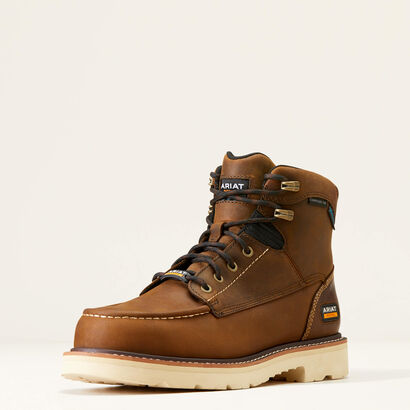

In 81+ Carts


In 91+ Carts


In 50+ Carts


In 44+ Carts


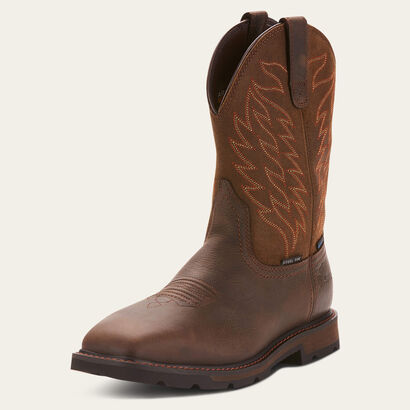

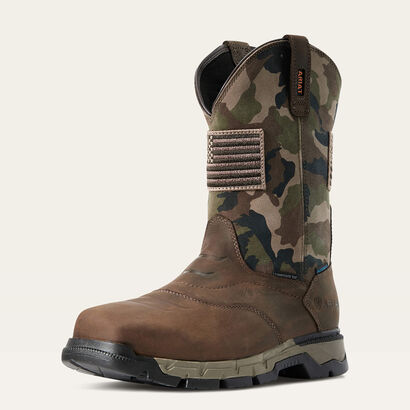


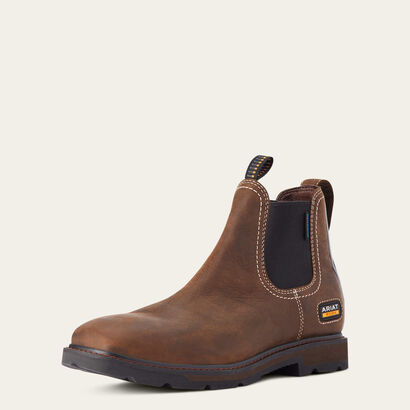

In 50+ Carts



In 41+ Carts




In 73+ Carts


More About Men's Waterproof Work Boots
Men's Waterproof Work Boots
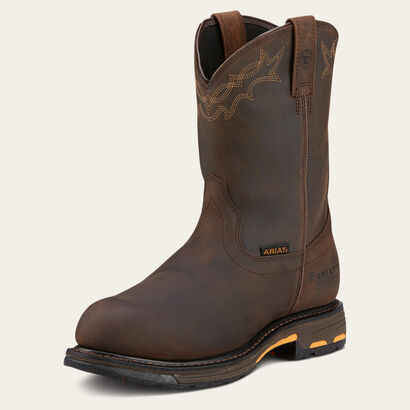
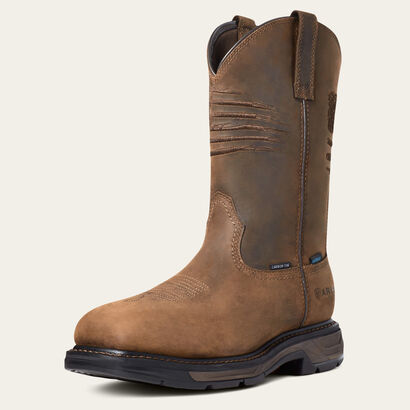
Ariat Men's waterproof work boots are job-focused boots built with waterproof construction to help keep moisture out while working in rain, mud, standing water, or other wet conditions. Styles range from soft-toe boots to safety-toe options, including the wide square-toe Groundbreaker Wide Square Toe Waterproof Work Boot.
How Do You Choose Men's Waterproof Work Boots?
Choose men's waterproof work boots by matching the boot's waterproofing, safety toe, outsole, insulation, support, and closure to your working conditions and employer requirements. If you are comparing sizes across men's and women's footwear, How to Buy Men's Work Boots as a Woman explains the relevant sizing, width, and use considerations.
For consistently wet or muddy jobsites, prioritize waterproof construction, a slip-resistant outsole designed for wet surfaces, and any safety-toe or electrical-hazard rating required for the job. A pull-on ankle profile such as the Groundbreaker Chelsea Wide Square Toe Waterproof Work Boot may suit shoppers who prefer a Chelsea-style silhouette, while lace-up boots provide more control over instep adjustment.
For agricultural and outdoor work, compare additional options in Men's Farm and Ranch Boots. Consider insulation for cold, wet conditions and breathable materials for warmer weather; waterproof boots can retain more heat than lighter water-resistant footwear.
Protective footwear is only one part of a jobsite system. Where workplace hazards call for flame-resistant apparel, coordinate boots with properly rated Men's FR Clothing and Men's FR Jeans, following your employer's requirements for the complete task and environment.
How Should Men's Waterproof Work Boots Fit?
Men’s waterproof work boots should feel secure without pinching, with approximately 1/2" between the longest toe and the front of the boot; in a steel, composite, or carbon safety-toe style, the toes should not touch the protective cap. The heel should stay reasonably secure, the width should not compress the forefoot, and the boot should bend near the foot’s natural flex point.
Try boots with the work socks and any approved insoles you normally wear, preferably later in the day when feet may be slightly larger. Do not rely on break-in to correct toe-cap contact, insufficient length, or painful pressure. Available styles on this page span men's sizes 3 through 18 and widths including B Narrow, D Medium, EE Wide, and 4E, although availability varies by boot; consult the individual product size chart and How Should Work Boots Fit? before choosing.
Which Performance Features Matter in Waterproof Work Boots?
Waterproof construction helps limit water entry during wet work, but the boot should also provide the traction, support, safety rating, and temperature management appropriate for the site. Slip-resistant outsoles are designed to improve traction, but no outsole is slip-proof, so surface conditions and proper walking practices still matter.
Shock Shield® technology is designed to diffuse heel-strike impact and support shock absorption. ATS® technology is designed to provide stability, while 4LR™ technology supports comfort and stability. VentTEK™ uses cooling mesh to promote airflow, as featured in the WorkHog XT VentTEK Bold Waterproof Carbon Toe Work Boot. BOA® systems provide dial-based fit adjustment on equipped styles.
Steel, composite, carbon, and soft toes serve different needs. Choose a safety-toe boot only after checking the product’s listed standards against employer and jobsite requirements; a waterproof label by itself does not establish impact, compression, electrical-hazard, or slip-resistance performance.
How Do You Care for Men's Waterproof Work Boots?
Remove mud and grit after wear with a soft brush or damp cloth, then let waterproof work boots dry naturally away from direct heat. Take out removable insoles when practical, loosen laces, and allow the interior to air out before the next shift.
Use cleaners, conditioners, and waterproofing treatments approved for the boot's specific leather or synthetic materials. Avoid saturating the boot unnecessarily, and do not place it against a heater or use high heat, which can affect leather, adhesives, and waterproof components. Inspect seams, outsoles, uppers, and safety-toe areas regularly, follow the instructions for the specific style, and use How to Break In New Work Boots for a gradual approach to early wear.
Ariat was founded to bring athletic-footwear innovation to equestrian boots and has carried that performance-focused approach into footwear built for demanding work. Men's waterproof work boots combine practical materials, job-specific configurations, and comfort and stability technologies that coordinate with Ariat Men's Workwear.
Frequently Asked Questions About Men's Waterproof Work Boots
Should my first work boot be waterproof?
Choose waterproof boots if you regularly work in rain, mud, standing water, or wet outdoor conditions. For mostly dry indoor work, water-resistant footwear may provide sufficient protection with greater breathability, depending on the job and employer requirements.
Are waterproof and water-resistant work boots the same?
No. Waterproof boots use construction intended to block water entry more completely, while water-resistant boots help repel limited moisture. Waterproofing is generally better for sustained wet exposure; water resistance may suit occasional splashes or light rain.
How should waterproof work boots fit when new?
They should feel secure but not painful, with approximately 1/2" ahead of the longest toe, adequate width, and a reasonably stable heel. Toes must not touch a safety cap, and break-in will not correct an undersized boot.
Should I choose steel, composite, carbon, or soft toes?
Choose according to the hazards and safety standards required at your workplace. Steel, composite, and carbon toes provide different protective constructions and weight profiles, while soft toes suit jobs that do not require protective toe caps.
How can I maintain the waterproof performance of my work boots?
Brush away dirt, wipe the uppers clean, and air-dry the boots away from direct heat. Apply only material-compatible care products, follow the style’s instructions, and inspect seams and uppers for wear that could affect water resistance.