



1,104 items
1,104 items
1,104 Results








More About Mens Western
Mens Western
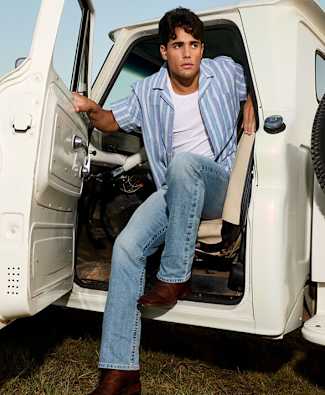
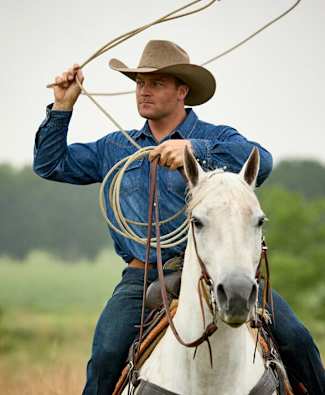
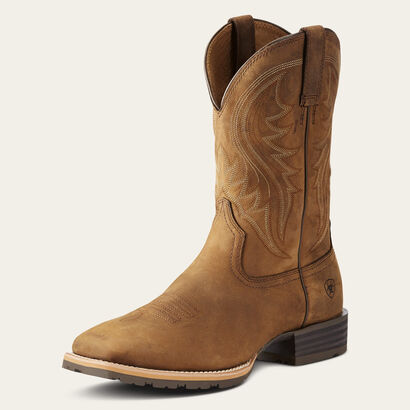
Men's western clothing and boots are apparel, footwear, and accessories inspired by ranch, rodeo, and cowboy heritage, built for everyday wear, riding, work, and Western events. The category often starts with Men's Cowboy Boots, then expands into jeans, shirts, layers, belts, hats, and boot silhouettes explained in Cowboy Boot Styles.
How Do You Choose Men's Western Wear?
Choose men's western wear by matching the piece to how you'll use it: tall cowboy boots for classic Western style, performance boots for arena or ranch days, jeans with boot-friendly openings, and shirts or layers that move from work to casual settings. If you're building a full outfit, start with Men's Western Clothing and use How to Wear Cowboy Boots and Jeans for Men to pair denim and boots cleanly.
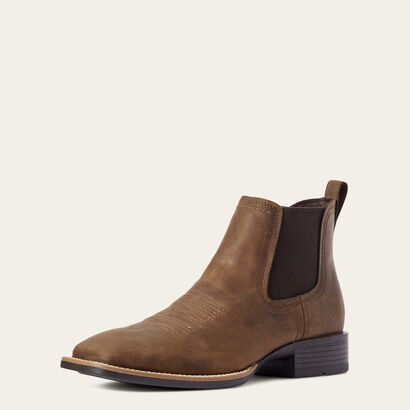
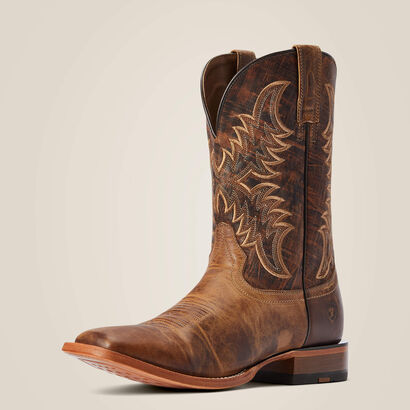
For a streamlined alternative to a traditional tall boot, the Booker Chelsea Wide Square Toe Western Boot offers a lower-profile Western look that works well for everyday wear. For rugged Western footwear, the Western Big Rig Wide Square Toe Cowboy Boot is a strong option for shoppers comparing wide square toe styles built for long days in demanding environments. Finish the look with Men's Western Button-Down Shirts, which bring classic Western details into an easy everyday layer.
How Should Men's Western Clothing and Boots Fit?
Men's western boots should feel secure through the instep with comfortable room at the toes, while jeans should sit at the waist and fall cleanly over the boot shaft. For boot-specific sizing, use How to Fit Cowboy Boots to check heel movement, instep feel, toe shape, and width before choosing a pair.
Toe shapes such as snip, square, and round change the look and front-foot feel, so choose the shape that fits your preference and intended use. For denim, wide-leg and bootcut openings sit cleanly over Western boot shafts for a streamlined line, and Men's Western Jeans can help you compare fits such as slim, straight, relaxed, and bootcut. Take your natural waist and hip measurements, then consult the size chart to match rise, inseam, and leg opening.
Which Performance Features Matter in Men's Western Gear?
ATS® technology helps support alignment and stability through long days on varied ground. Duratread™ outsoles are formulated for wear resistance and flexibility. VentTEK™ mesh panels are designed to allow airflow where featured, helping boots feel more breathable in warm conditions. Stretch and mobility fabrics in Western shirts and jeans are designed to help you bend, ride, and move without feeling restricted.
How Do You Care for Men's Western Clothing and Boots?
Care starts with removing dust, mud, and grit before they settle into leather or fabric; for boots like the Hybrid VentTEK Western Boot, brush off dry dirt and wipe leather with a damp cloth as needed. Condition leather periodically with a product intended for that leather type, and let boots air-dry away from direct heat.
For garments, turn them inside out and wash on cold with similar colors. Avoid high heat; hang-dry or use low heat to help preserve fabric and color. Always follow the care label on your specific style.
Ariat was founded to bring athletic-shoe innovation to equestrian and Western footwear, then expanded that same performance mindset into denim, shirts, outerwear, and everyday Western apparel. In men's western clothing and boots, that purpose shows up in pieces designed to balance heritage details with comfort, durability, and practical movement.
Frequently Asked Questions About Men's Western Clothing & Boots
What is men's western wear?
Men’s western wear is clothing, footwear, and accessories influenced by cowboy, ranch, rodeo, and Western lifestyle traditions. It includes cowboy boots, Western shirts, jeans, belts, hats, jackets, and performance apparel.
What is the difference between cowboy boots and western boots?
Cowboy boots are a core type of western boot, often with a taller shaft, angled heel, and decorative stitching. Western boots can also include ropers, performance riding boots, Chelsea-inspired Western styles, and other silhouettes with Western design cues.
Can men's western wear be worn casually?
Yes, men’s western wear can be worn casually when paired with denim, button-down shirts, tees, or jackets. Many pieces are designed to move between ranch, arena, work, and everyday settings.
How should men's cowboy boots fit?
Men's cowboy boots should feel snug over the instep, allow comfortable toe room, and have slight heel movement when new. The fit should feel secure without pinching or cutting off movement.
Which toe shape should I choose for western boots?
Square, round, and snip toes each create a different look and feel at the front of the boot. Choose square for a broader profile, round for a traditional shape, or snip for a sharper Western silhouette.
What performance features should I look for in men's western boots?
Look for features that support comfort, stability, durability, and flexibility based on how you’ll wear the boots. Examples include supportive footbed technology, wear-resistant outsoles, breathable panels, and cushioning systems where featured.
How do you care for men's western clothing?
Turn garments inside out and wash on cold with similar colors. Avoid high heat, and always follow the care label on the specific shirt, jean, jacket, or layer.
How do you care for men's western boots?
Brush off dirt after wear, wipe leather with a damp cloth when needed, and condition leather periodically with an appropriate product. Let boots air-dry naturally and avoid placing them near direct heat.