

Men's Equestrian Riding Boots
16 items
16 items
16 Results
















More About Men's Equestrian Riding Boots
Men's Equestrian Riding Boots
Ariat Men's equestrian riding boots are riding-specific footwear designed to help provide a secure, supportive connection between the rider's foot, lower leg, stirrup, and saddle. The collection includes paddock and tall-boot options, while Men's Performance Riding Boots offers a focused view of footwear built around in-saddle performance.
How Do You Choose Men's Equestrian Riding Boots?
Choose men’s equestrian riding boots according to your discipline, riding frequency, experience, and whether you need short paddock boots or a traditional tall-boot profile. Many lesson riders begin with paddock boots and half chaps, while tall boots provide the polished, close-fitting silhouette commonly used for shows and established riding programs.
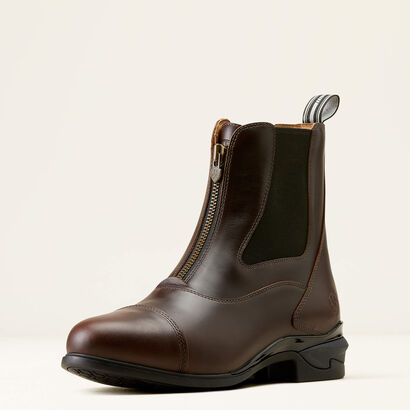
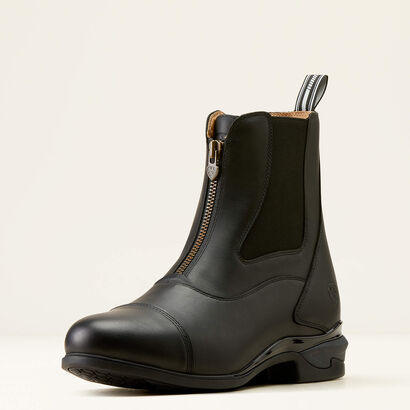
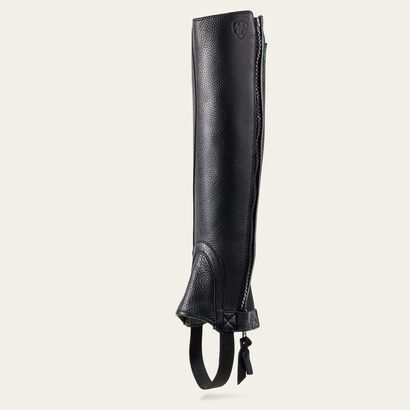
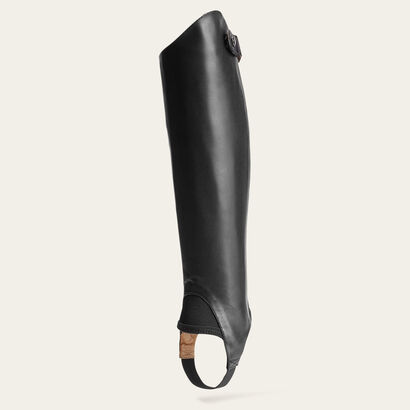
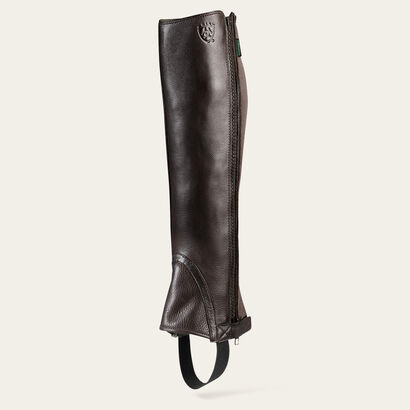
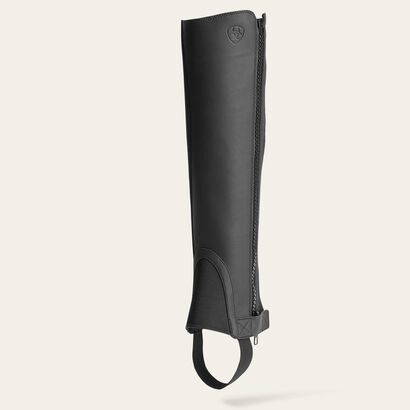
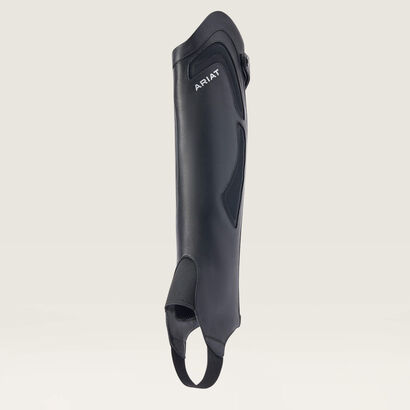
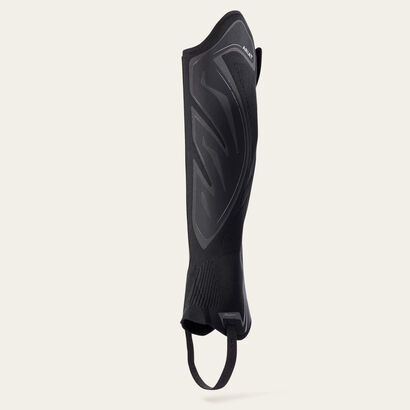
For lessons and barn days: Paddock boots paired with properly fitted half chaps provide ankle coverage and are practical for riders who spend time both mounted and on foot.
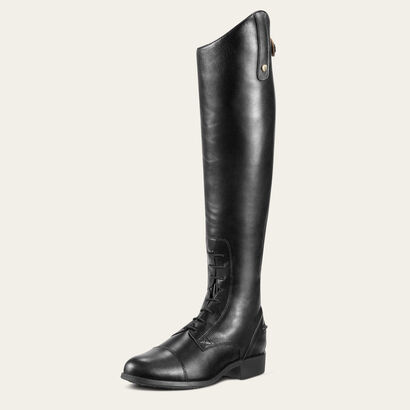
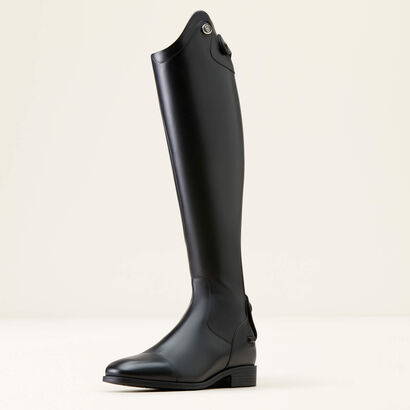
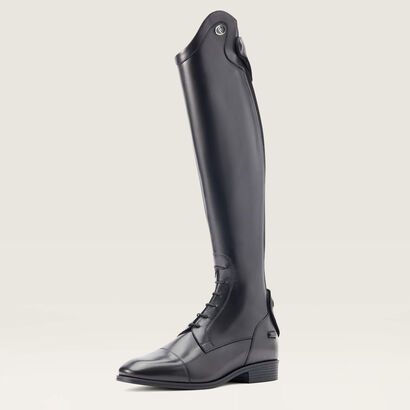
For showing or a traditional English profile: A field boot such as the Palisade Field Tall Riding Boot gives shoppers a useful reference for comparing shaft contour, support, closure placement, and overall silhouette.
For the right discipline: Field boots traditionally include lacing at the ankle, while dress boots typically have a cleaner, unlaced front.
For riding rather than general chores: Riding boots prioritize a stirrup-compatible profile and close contact through the leg. Compare them with Men's Farm and Ranch Boots, which are intended primarily for demanding ground work and everyday ranch use.
How Should Men's Equestrian Riding Boots Fit?
Men's riding boots should fit snugly through the heel and midfoot without pinching, leave enough room to move the toes, and keep the foot from sliding excessively inside the boot. A tall boot should follow the calf closely without restricting circulation or knee movement; the Heritage Contour Field Zip Tall Riding Boot provides a concrete reference for evaluating shaft contour, closure, and foot security.
Measure both feet and, for tall boots or half chaps, measure the widest part of each calf and the lower-leg height while wearing riding socks and breeches. This collection lists men’s sizes 7–13, B-Medium, D-Medium, and EE-Wide options, and shaft heights from 7.5" to 20"; availability varies by style, so compare your measurements with the individual product size chart.
What Should You Look for in Men's Riding Boots?
Look for a riding-appropriate heel, a supportive footbed, a close-contact shaft or ankle, durable construction, and a closure that stays comfortable in the saddle. This collection includes back-zip, front-zip, and lace-up options, heel heights from 0"–1" and 1"–2", and several support technologies.
Shock Shield™ technology is designed to help diffuse heel-strike impact. ATS® technology is designed to provide advanced stability and support. 4LR™ technology helps deliver everyday cushioning and stability, while Axis Pro™ technology is intended to provide responsive pressure relief.
Compare technology labels style by style because not every boot includes every feature. The best choice balances support and flexibility with a sole and heel profile appropriate for your stirrups, riding discipline, and time spent around the barn.
How Do You Care for Men's Equestrian Riding Boots?
Brush off dry dirt and manure after each ride, then wipe the boots with a slightly damp cloth before allowing them to dry naturally away from direct heat. Check the listed materials and construction for your specific style—such as the Devon Tall Riding Boot—before applying any cleaner, polish, or conditioner.
Use products formulated for the boot’s material, test them on a discreet area, and avoid saturating leather. Remove grit from zipper teeth with a soft brush, store tall boots upright or with boot trees, and always follow the care directions supplied with the specific product.
Ariat was founded to develop advanced footwear and apparel for equestrian athletes. That rider-focused purpose continues in men’s English riding boots designed around precise fit, supportive construction, and performance for lessons, training, barn days, and competition.
Frequently Asked Questions About Men's Equestrian Riding Boots
Are paddock boots or tall boots better for regular riding lessons?
Paddock boots with half chaps are a practical choice for many lesson riders because they combine ankle coverage with flexibility around the barn. Tall boots may be preferable when an instructor, discipline, or show program calls for a traditional profile.
What is the difference between field boots and dress boots?
Field boots generally feature lacing at the ankle for added flexibility, while dress boots typically have a smooth, unlaced front. Both are tall English riding boots, but the appropriate style may depend on discipline and competition expectations.
Can English riding boots be replaced with cowboy boots?
English riding boots and Cowboy Boots have different shaft, heel, sole, and discipline-specific profiles. Ask your instructor what footwear is permitted, and confirm that the selected boot works appropriately with your saddle and stirrups.
How can I tell whether a tall riding boot fits correctly?
A tall riding boot should feel close through the foot, ankle, and calf without painful pressure or restricted movement. Your toes need room, your foot should not slide excessively, and the shaft should follow the leg without digging into the knee.
Which boot closure should I choose?
Choose a closure according to fit and convenience. Lace-up paddock boots allow adjustment across the instep, front zips provide straightforward access, and back zips preserve a smooth front profile; exact fit and closure construction vary by style.
How often should men's riding boots be cleaned?
Remove surface dirt after every ride and perform deeper cleaning only as the material and level of use require. Regularly brushing zipper teeth and allowing damp boots to dry naturally can help preserve their appearance and function.