

133 items
133 items
133 Results





In 50+ Carts










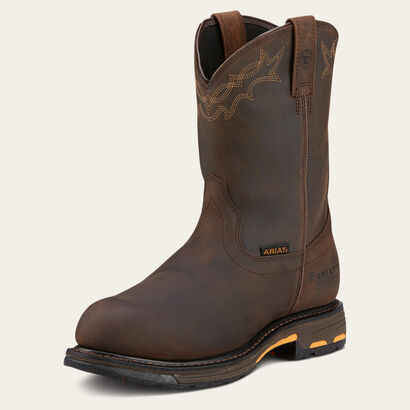

More About Mens Pull On Work Boots
Mens Pull On Work Boots
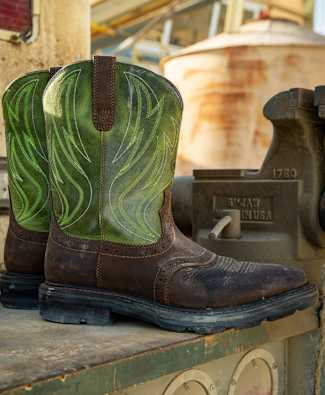
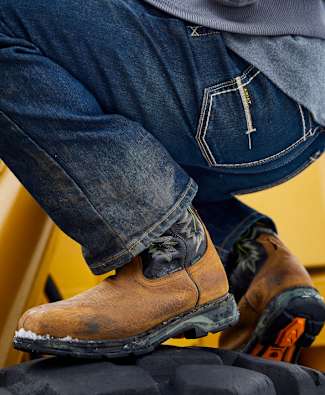
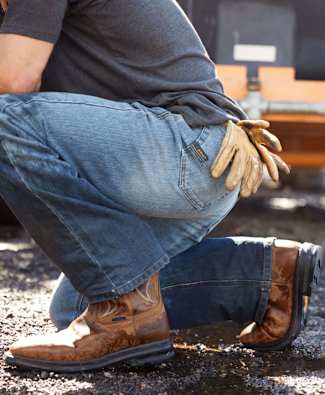
Men's pull-on work boots are laceless jobsite boots designed for quick on-and-off wear while supporting long days in demanding work environments. They sit within Ariat's broader Men's Work Boots collection, where shoppers can compare pull-on, lace-up, Chelsea, soft toe, and safety toe options by jobsite need.
How do you choose men's pull-on work boots?
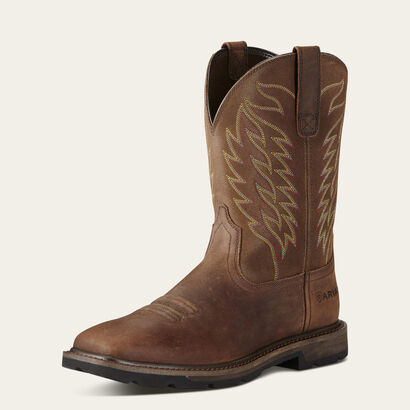
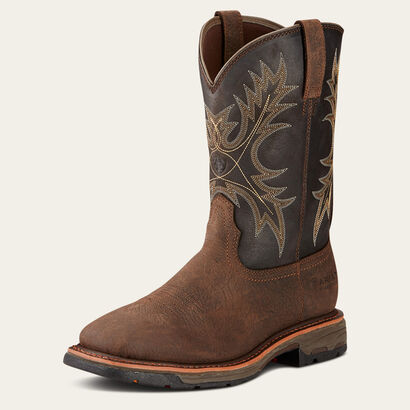
Choose men's pull-on work boots by matching the boot's toe protection, outsole, waterproofing, shaft height, and toe shape to the work you do most often. If your jobsite requires protective toe coverage, compare options in Men's Safety Toe Work Boots; for a classic pull-on profile with wide square toe room and steel toe protection, consider the Groundbreaker Wide Square Toe Steel Toe Work Boot.
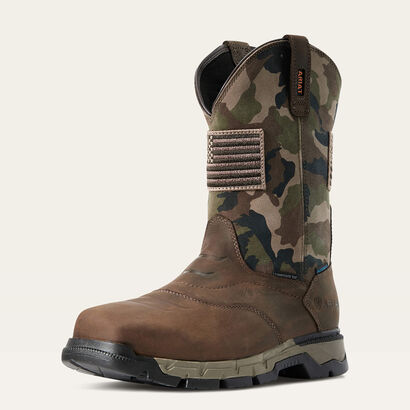
For construction, farm and ranch work, oilfield tasks, or industrial settings, look for features that help support stability, traction, and durability under rough conditions. If you are choosing between Western-inspired pull-on silhouettes, the Roper vs Cowboy Boot guide can help explain how shaft height, heel profile, and toe shape affect feel and use.
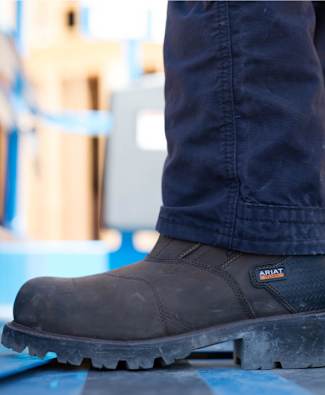
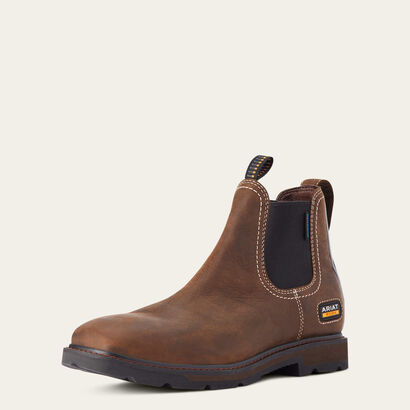
Lower-profile pull-on work boots can be a practical choice when you want easy entry with less shaft height. The Rebar Wedge Chelsea Waterproof Composite Toe Work Boot is a waterproof composite toe option for shoppers considering Chelsea-style convenience in a work-ready build.
How should men's pull-on work boots fit?
Men's pull-on work boots should feel snug across the instep with room to wiggle your toes; the heel may lift slightly at first but should not slide excessively. For more detailed guidance on toe box, heel, arch, and break-in feel, see How Should Work Boots Fit?.
Check both length and width before deciding on size, especially if you wear thicker work socks or need extra toe room in a safety toe boot. This category includes sizes from 4 to 18 and width options such as B-Narrow, D-Medium, EE-Wide, and 4E; measure both feet, use the product size chart, and choose the size that accommodates your larger foot.
Because many pull-on work boots use Western-inspired fit cues, expect the boot to hold at the instep rather than relying on laces. The How to Fit Cowboy Boots guide offers useful supplemental fit guidance for pull-on shoppers comparing square, round, and other toe shapes.
What performance features matter in men's pull-on work boots?
ATS® technology is designed to help support stability and alignment through long shifts on varied ground. 4LR™ technology is designed to provide cushioning and stability for everyday work demands.
VentTEK™ technology uses cooling mesh panels that help promote airflow in warm or high-output conditions. Shock Shield® technology is designed to help diffuse heel strike impact for added underfoot comfort.
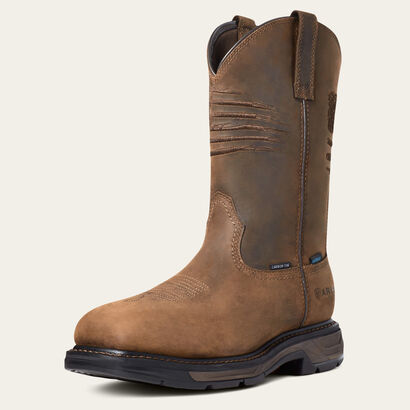
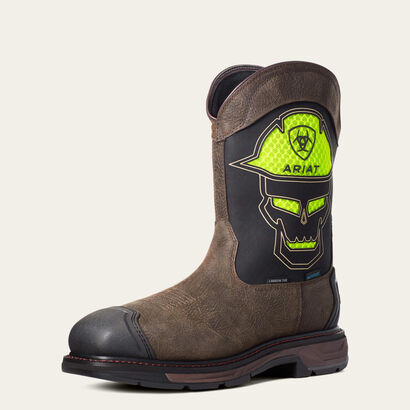
Duratread™ outsoles are formulated for wear resistance and flexibility, helping pull-on work boots stand up to abrasive surfaces. Waterproof construction helps keep feet dry in wet, muddy, or unpredictable conditions, and the WorkHog Waterproof Composite Toe Work Boot is an example of a pull-on style that combines waterproofing with composite toe coverage.
Steel toe designs are built for added impact and compression protection where the job requires it. If steel toe protection is your priority, compare pull-on and other jobsite options in Men's Steel Toe Work Boots.
How do you care for men's pull-on work boots?
Clean men's pull-on work boots by brushing off dirt and grit after wear, wiping the leather with a damp cloth, and letting the boots air-dry away from direct heat. For leather-specific care considerations, explore Work Leather Boots, then follow the care instructions for your exact style.
Condition leather periodically to help maintain suppleness, especially after exposure to mud, dust, or wet conditions. If your boots are waterproof, keep the upper clean so the construction can perform as intended, and avoid harsh chemicals unless the product care instructions allow them.
Ariat was founded to bring athletic-shoe innovation to equestrian and Western footwear, and that same performance mindset carries into men’s pull-on work boots. The result is jobsite footwear built around practical comfort, durable materials, safety-minded options, and the easy-on convenience workers need before long days on the ground.
Frequently Asked Questions About Men's Pull-On Work Boots
What are men's pull-on work boots?
Men’s pull-on work boots are laceless work boots that can be pulled on quickly using their shaft or pull tabs. They are designed for jobsite use where convenience, durability, and all-day wear matter.
Are pull-on work boots better than lace-up work boots?
Pull-on work boots are better when fast on-and-off convenience is a priority. Lace-up work boots may be preferred when a more adjustable ankle fit is needed.
Can men's pull-on work boots be worn for construction?
Yes, many men’s pull-on work boots are built for construction and other demanding environments. Choose the toe protection, outsole, waterproofing, and support features required by your specific jobsite.
How should pull-on work boots feel at first?
They should feel secure over the instep, roomy enough at the toes, and slightly snug without pinching. A small amount of heel lift can be normal during break-in, but the boot should not feel loose or unstable.
Should I choose steel toe, composite toe, carbon toe, or soft toe?
Choose steel toe, composite toe, or carbon toe when your work requires protective toe coverage, and choose soft toe when that protection is not required. Always follow your workplace safety requirements before selecting a toe type.
What waterproof features should I look for?
Look for waterproof construction when you work around rain, mud, washdown areas, or wet ground. Waterproof features are designed to help keep feet dry, but proper cleaning and care help the materials perform as intended.
How often should I clean and condition pull-on work boots?
Brush off dirt after each wear and clean more thoroughly when mud, oil, or grit builds up. Condition leather as needed based on use, climate, and the care instructions for your specific boot.