

Electrician Work Boots & Clothing
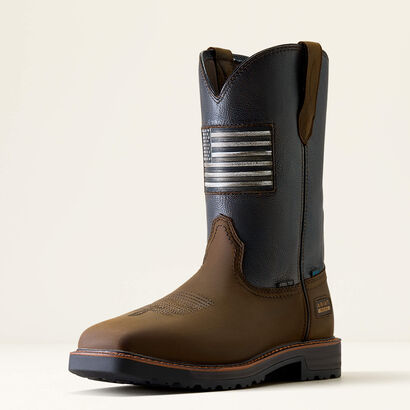
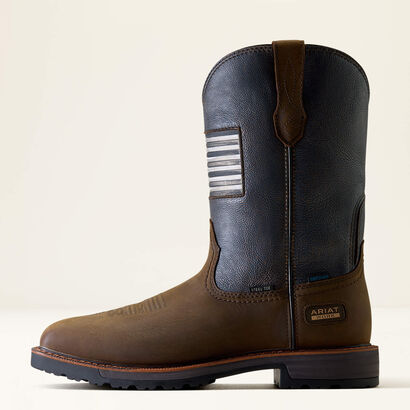
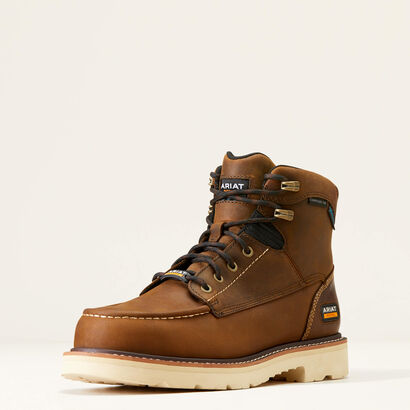
EH-rated work boots and flame-resistant work clothes for electricians working around live circuits.
341 items
341 items




In 179+ Carts


More About Electrician Essentials
Electrician Essentials
Electrician essentials are work boots, clothing, and accessories chosen for an electrician’s job-site conditions and required protective equipment. Ariat’s assortment includes EH-rated footwear and flame-resistant (FR) clothing options, such as the FR Air Crew T-Shirt; check each item’s listed specifications against your employer’s requirements.
How Should Electricians Choose Their Gear?
Choose electrician workwear by starting with the hazards and dress requirements of your specific job, then compare comfort and durability for the work you do all day. For work jeans and pants, look for fabric suited to abrasion, sturdy construction at high-stress areas, and enough room to bend and kneel; check the garment’s FR designation when FR clothing is required rather than assuming heavy denim qualifies. The FR M4 Relaxed DuraLight Ripstop Boot Cut Pant is one FR pant option to compare with those requirements.
For boots, confirm the product’s applicable safety specifications before choosing a toe type or style: electrical hazard (EH), puncture resistance, and metatarsal protection address different hazards and should not be assumed from a boot’s appearance. Choosing the Right Safety Toe Work Boot can help narrow the options. If your site calls for CSA-rated footwear and you work in cold, wet conditions, the Stump Jumper Pull-On CSA Waterproof Insulated Composite Toe Work Boot provides a specific set of listed features to review against your site’s requirements.
How Should Electrician Workwear Fit?
Work boots should hold the foot securely while leaving enough space for toes to move without pressing against the front or sides of a safety cap. Try them on with your usual work socks; pinching, numbness, or substantial foot movement calls for a different fit, not a hoped-for break-in. Use the available length and width options, compare the size chart, and follow How Should Work Boots Fit? for a fuller try-on check.
For jeans and pants, take your natural waist and hip measurements, then consult the size chart for rise, inseam, and leg opening. The waistband should stay comfortable when you crouch, and the legs should allow movement without excess loose fabric around tools or equipment; check the fit again while wearing your work boots.
Which Features Matter on the Job?
An electrical hazard (EH) rating identifies footwear tested to the electrical-hazard requirements stated in its product specifications; it does not replace electrical PPE or safe work practices. FR identifies clothing designed to meet the flame-resistant specifications listed for that garment; confirm the required rating and clothing system for the task. Puncture-resistant construction and metatarsal guards address separate underfoot and upper-foot hazards, so select them only when the site requires them.
A slip-resistant outsole is designed to help provide traction on specified surfaces, but no outsole is slip-proof; the Guide to Work Boot Outsoles explains what to compare. Waterproof construction helps keep feet dry in wet conditions, while insulation is intended to add warmth; check each boot’s listed features rather than assuming either is included.
How Do You Care for Electrician Essentials?
Follow each garment’s care label and each boot’s material-specific instructions first. Turn applicable work garments inside out and wash cold with similar colors; avoid high heat, and hang-dry or use low heat when the label permits. For FR clothing, follow its label carefully and remove garments from service when damage or contamination means they no longer meet workplace requirements.
Brush dirt from boots after work, let them dry away from direct heat, and inspect soles, uppers, and closures for wear. Choose products appropriate to the boot material from Cleaning Materials, and replace footwear that no longer meets your site’s condition or safety requirements.
Ariat was founded to improve performance and comfort for equestrian athletes. That focus on fit and functional design carries into its work boots and clothing, giving electricians options to evaluate against their tasks and job-site requirements.
Frequently Asked Questions About Electrician Essentials
What counts as an electrician essential?
Electrician essentials include job-appropriate work boots, durable clothing, and any protective apparel or accessories required by the task. Start with your employer’s hazard assessment: an item’s presence in an electrician collection does not mean it meets every site requirement.
Are heavy work jeans enough when FR clothing is required?
No. Fabric weight and reinforced construction can matter for everyday wear, but neither establishes an FR rating. When your task requires FR clothing, check the garment’s stated specifications and your employer’s required rating before choosing jeans or pants.
Do electricians always need EH-rated safety-toe boots?
Not necessarily. Footwear requirements depend on the site’s hazards and rules; EH and safety-toe protection describe different features. Check the individual boot’s listed ratings and confirm whether your work also calls for puncture resistance or metatarsal protection.
How can I tell whether electrician work boots fit?
Your toes should move freely without contacting a safety cap, while your heel and midfoot feel secure. Try boots with your regular work socks and walk in them; painful pressure or excessive sliding suggests a different size, width, or style.
How should I maintain FR work clothes?
Follow the specific garment’s care label, including its washing and drying instructions. Check it regularly for damage or contamination, and follow your employer’s rules for removing compromised clothing from service rather than assuming laundering restores its suitability.